When Angus nearly didn’t come home: one mum’s story of sepsis

Angus was eight years old when a small cut on his finger led to sepsis, needing Intensive care. This is their story, and what they want every parent to know about sepsis in children.

Angus was eight years old when a small cut on his finger led to sepsis, needing Intensive care. This is their story, and what they want every parent to know about sepsis in children.
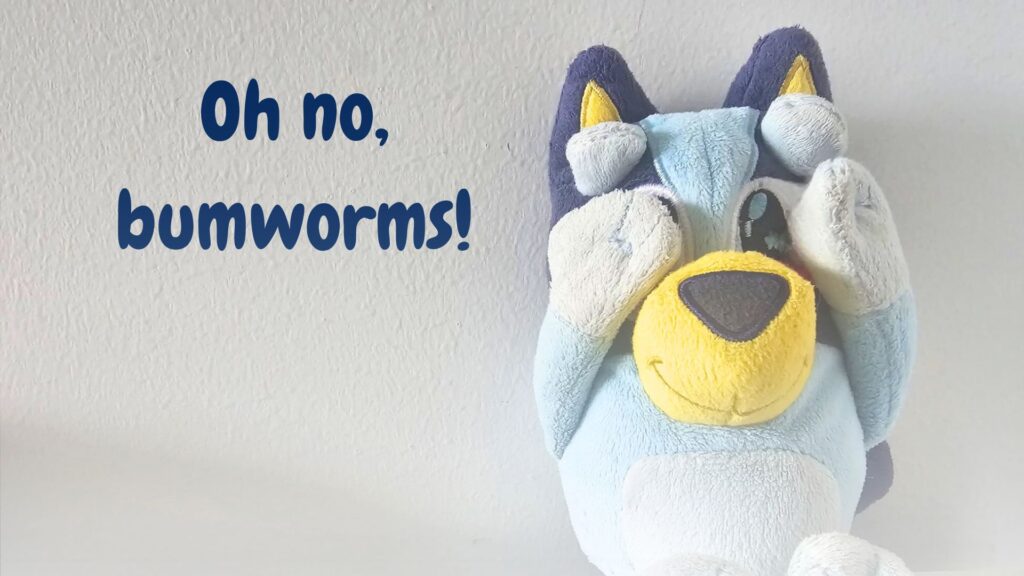
Threadworms are incredibly common in young children – but that doesn’t make discovering them any less confronting! If your child has been scratching overnight or you’ve spotted tiny white worms, here’s everything you need to know about symptoms, treatment options, and the hygiene steps that are just as important as medication for stopping reinfection in its tracks.

Starting solids can feel exciting and overwhelming. With updated 2026 ASCIA guidelines on introducing allergen foods, many parents are wondering what’s changed and what it means for their baby. This practical, parent-friendly guide explains when to introduce common allergens like peanut and egg, how often to keep offering them, and what to do if you notice a reaction. We break down the latest advice so you can feel more confident introducing solids safely.
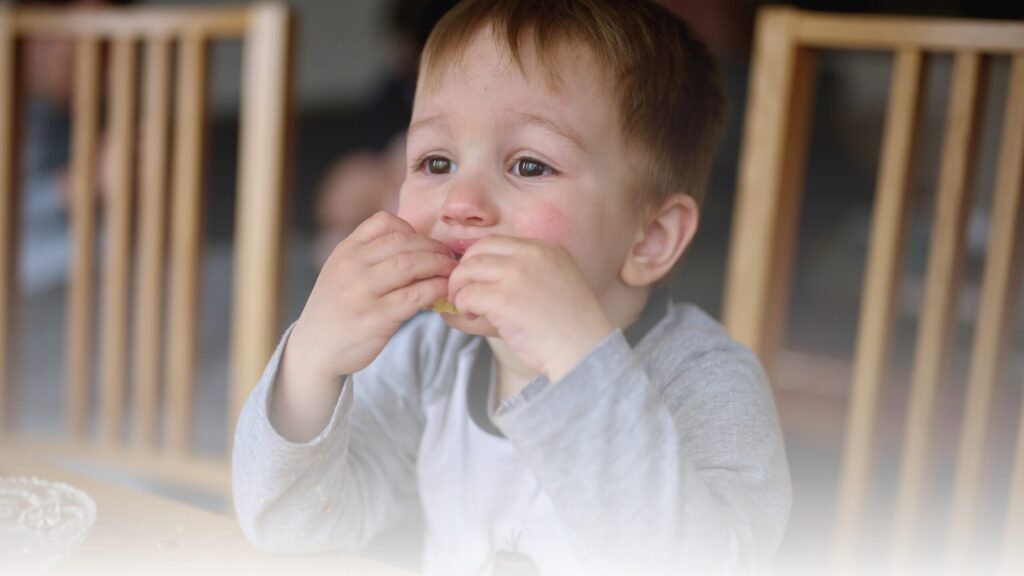
We get it – the word ‘allergies’ can cause parents + carers to feel anxious, especially when it’s time to introduce solids. Learn how to recognise the signs, respond quickly, and be prepared to act with confidence when it counts.
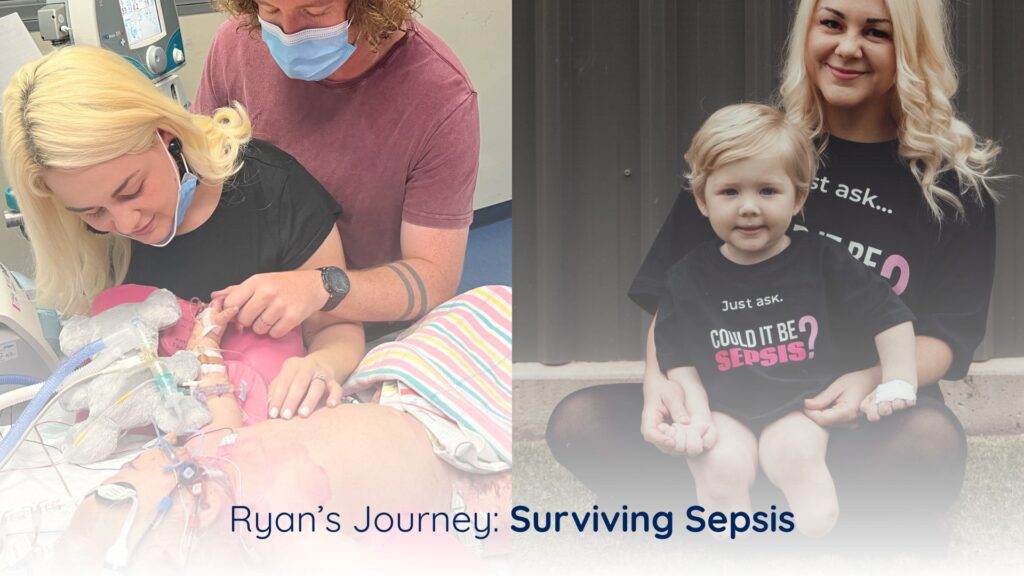
On World Sepsis Day, we’re honoured to share Ryan’s story – a cheeky, resilient little boy who survived sepsis against the odds. His journey reminds us that sepsis can happen to any child, from any infection – and that trusting your instincts could save a life.

As parents, knowing where to go when your child is sick or injured can be stressful. Medicare Urgent Care Clinics (UCCs) offer fast, bulk-billed care for non-life-threatening conditions—bridging the gap between GPs and hospital EDs. CPR Kids Founder Sarah Hunstead shares her firsthand experience and what families need to know. 💙

Popcorn may seem harmless, but for children under 4, it’s a leading choking hazard—especially in daycares and party settings. Discover why popcorn is dangerous, learn from real-life stories, and explore essential choking prevention tips. Plus, download our free guide and watch our first aid video to ensure you’re prepared to keep little ones safe.

Allergic reactions in babies can happen quickly, often within minutes of exposure to an allergen. It’s essential for parents and caregivers to know the signs of mild and severe reactions, including anaphylaxis, and to act swiftly. This guide covers everything you need to know, from recognizing symptoms to administering first aid and staying prepared for emergencies.

When your baby cries for hours on end, it can feel overwhelming and exhausting, especially when nothing seems to soothe them. Parents often hear the term ‘colic’ to describe this excessive crying – but what does that really mean, and what can you do about it?
Here is your complete resource guide for the Australian Paediatric First Aid Conference 2024.